A pebble in the pond: a free Artists’ Marketplace

stock3 by .

For nearly a month (since the infamous 1st of June) a couple of disquieting questions have been bouncing back and forth within my skull:
what are we to do if/when the other agencies follow Shutterstock’s despicable example and start treating their contributors like beggars?
How come a fair agency like Picfair appears to sell nearly nothing even though they offer such awfully great pictures?

I do know all too well what it’s like to set up a photostock agency – I did it. Once you solve the technical problems (quite a hard cliff themselves) and get it to run fine, you find out to your dismay that keeping it up and running – server fees, updating, de-hacking, automation, you name it – is way more expensive (at least in time) than you optimistically thought when you started.

No, I don’t really think that setting up a new agency – with so many small ones out there struggling to survive – would be a solution. What we need is a new concept, something that would entice anyone who needs one or more images having specific requirements. The cue came from Alex Rotenberg as he told us how a customer, unable to find his images on Shutterstock any longer, got directly in touch with him.

So why not to put in contact clients and contributors, thus bypassing the agencies?
All it would take would be a surprisingly cheap and simple no-profit site, a sort of artists’ cooperative dedicated to illustrations, photos and video clips, where potential clients may freely ask for images having some specific features. Their requests appear on a board and get immediately sent per E-mail to all photographers who subscribed (for free).
A mother knows her baby, a photographer knows his/her images: the one who has an image that may satisfy the client (say, a kid playing in a puddle) replies uploading ASAP one or more watermarked images onto a page that only the client may access.

That would be really big news: a thoughtful human response, no AI at all, no 300 pictures of the same lonely puddle in the park taken from 300 different angles. And no time wasted on keywords ( do we all loathe them!)

As far as prices are concerned, that’s all to be seen: fixed price, normal and premium, private negotiation… a matter of taste. However the cooperative rules must be simple and clear, and accepted by all subscribers; that’s important, the one who doesn’t play fair gets kicked out without ceremony.
The site would be extremely simple – though attractive – and wouldn’t require any special server performances, or large amounts of memory, or special skills to run it. The only costs would be:

  • annual server rent (not much).
  • software maintenance (not much if regularly performed, but it must be done weekly to keep the software up to date and to prevent possible undue intrusions, malware and hacking).
  • start-up software development and further expansions if the initiative is successful (affordable).

No commission on sales – we’re talking of a no-profit initiative and this way it shall stay, lest greed creeps in and shatters(tocks) it to crumbles 🙂

The expenditures above would be covered by all subscribers after their first sale; if some 1000 – 1500 artists gather and join, it would be a matter of a few $ each yearly – transparent management, all expenditures publicly documented, no hidden costs.

Of course there should be a page telling the cooperative’s history and its goals, with a nice name (how about “Shutterstock’s castaways”?) and some well-groomed galleries of monographic pictures about current topics, something like the Photocase’s ones.

Maximum publicity to all successful sales on the site.
No a-priori exclusive, though it may be individually agreed with the client case by case.

All the above should obviously be discussed in detail once (if) this initiative takes shape and color. Mine is just a stone I’m throwing in the pond, let’s see now if it makes any waves…

Artist marketplace – Un idea nuova

stock3 by .

E’ da un po’ che mi rigiro in mente diverse domande con inquietudine:
cosa fare se le altre agenzie seguono l’esempio di Shutterstock, trattando i contributors da pezzenti?
come mai un’agenzia “buona” come Picfair non vende, pure avendo magnifiche foto ?

So cosa vuol dire mettere su un sito tipo agenzia di fotostock. Pur risolvendo con successo tutti i problemi inerenti al suo funzionamento la conduzione è costosa in termini di server e in tempo per l’ automazione e aggiornamento.

No, credo che la ripetizione di un’ agenzia – con le piccole esistenti che già arrancano – non sia la soluzione. Ci vuole un’idea nuova che possa attrarre chi cerca una o più foto con specifici requisiti.
Lo spunto me lo ha dato Alex Rotenberg durante il Shutterstock boycott quando dice che un cliente di punto in bianco si è messo in contatto con lui.

Perchè non mettere direttamente in contatto il cliente con i contributors saltando le agenzie?
Basterebbe un sito no profit molto semplice e affatto costoso che si presenti come una cooperativa di artisti (illustrazioni, foto, videos), in cui un cliente può fare una richiesta in dettaglio su cosa cerca. Il messaggio viene messo su una board mentre la richiesta parte per email a tutti i contributors.
Chi ha qualcosa che corrisponde ai desideri del richiedente (es. bambino che gioca in una pozzanghera) risponde con una o più immagini con watermark su una pagina apposita a cui ha accesso il cliente.
Questa sarebbe veramente la grossa novità: una risposta mirata “umana”, niente AI, niente 300 foto di una pozzanghera solitaria in un parco da diverse orientazioni. Niente tempo consumato in keywords (come le odio!)

Per i prezzi al cliente si può vedere: prezzo fisso, due fasce di prezzi di cui una premium, a contrattazione privata… è tutto da decidere. Sono regole della cooperativa che devono venire messe in chiaro precedentente. Sono importanti, perchè chi sgarra o non è leale viene messo alla porta.

Il sito sarebbe alquanto semplice, non richiederebbe prestazioni particolari dal server, nè grandi quantita di memoria da gestire. Le uniche spese sarebbero:

  • affitto annuale (poco),
  • spese di manutenzione software (poco se fatta di routine, ma va assolutamente fatta con cadenza settimanale per aggiornare il software e anche per prevenire malware e hackeraggio),
  • spese di design iniziale e eventuali sviluppi se la cosa ha successo (contenute).

Dopo prima vendita personale gli artisti contribuiscono alle spese (gestione trasparente!) con pochi dollari all’anno se si tratta di almeno 1000 – 1500 artisti che aderiscono all’idea.

Ci sarebbe una pagina che descrive la storia della coop, con un bel nome tipo “i fuoriusciti di Shutterstock” e qualche galleria ‘curata’ di foto monografiche su argomenti di attualità tipo quelle di photocase (https://www.photocase.de/) che mi piacciono molto.

Nessuna percentuale sulla vendita.
Massima pubblicità alle vendite condotte con successo.
Nessuna esclusiva a priori, ma può far parte della trattativa col cliente.

Tutto da discutere nei dettagli, la mia è una pietra buttata nello stagno, vediamo se fa cerchi…

Life at corona virus time

FOUTAIN-s by .

Strange days now, at corona virus time. My web job runs as usual but I find more time to rediscover the nature and the apple blossoms: the spring air is crystal clear and I enjoy immensely my bicycle tours around, appreciating what is often taken for granted.
I also took the opportunity of revisiting my local shoots and processing some of them as watercolors. It is a loving tribute to this little university town with a healthy rural flair, so near at a magnificent big city like Munich.

La vita al tempo del corona virus

FOUTAIN-s by .

Con questa storia del corona virus i giorni sono diversi dal solito.
Il mio lavoro sul web non ha subito scosse, c’è più tempo però per riscoprire la natura e i meli in fiore: l’aria è più cristallina ed è bellissimo andare in bici nei dintorni.
Insomma c’è più tempo per guardarsi attorno ed apprezzare quello che si ha vicino a noi. Ho preso in mano alcune mie foto locali e le ho “acquarellate”, un mio tributo di affetto a questa cittadina universitaria dall’aria sanamente rurale ma a solo 20 minuti di metro dal centro di Monaco.

Stock images: is it time now for a drastic change?

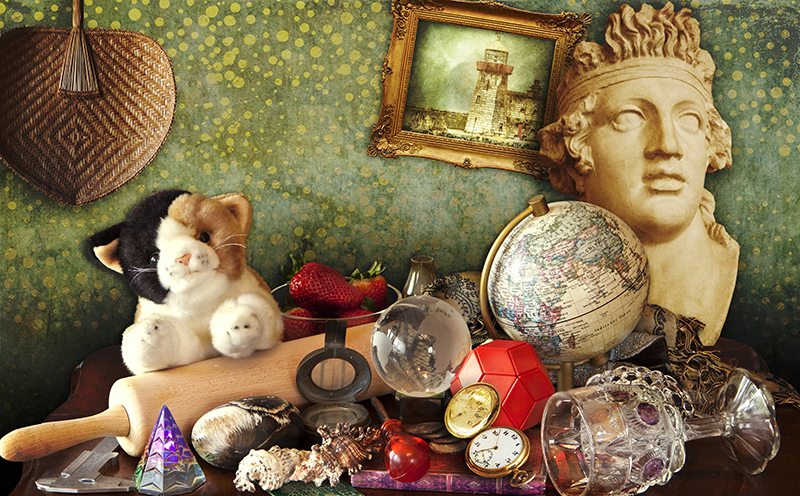
Mishmash objects with statue by Luisa Fumi.

The state of the art

Just to feel the pulse and the vibe of the moment, I visit pretty often the wailing wall, a site well known to the photographers that sell images through the microstock agencies. Most of what I read there is mournful whining about the professional degradation and the brutal royalty cuts. Nothing constructive.

Due mostly to the steadily improving quality of cameras and smartphones, the images market is flooded by offers ranging from fair to excellent, a flood swelling like wildfire. The stock agencies, no fools, take full advantage of the situation by constantly shrinking the royalies – offer and demand, inevitably. A tough competition is going on too among the agencies themselves, and not surprisingly the smallest ones succumb.

What’s the use of 100 millions of images?

One microstock agency can count on tens of millions of images (at least). But how could a customer find his way through them all?
How will customers get to the “right” image they are looking for? According to statistics, most of the users while searching give up after the first page, and very few clench their teeth and hold out up to page three.
Rumors have it that the stock agencies, in order to offer a different image variety for the same search, sort them part random, part according to other criteria adjusted and twitched from time to time

I’ve been wondering long if it was worth wasting so much time and effort on the keywording ordeal, by far the most boring and time consuming task of image processing, if the agencies use just a small part of it. And above all: what’s the point for an agency to collect zillions of images when people give up searching after a few of them?
I’m smelling here another crisis looming in the air.

A possible way out?

Now it could be really the right time to reinvent the personal website where one can sell images without the support (?) of an agency.
I am not talking about a website meant to sell generic images the way small agencies do – and are now going through difficult times.
No, I’m thinking of a monographic website to offer many thousands of images focused on a theme of general interest or social relevance.
A well designed site, cleverly divided in sub-galleries, with an own shop. Something very user-friendly that a visitor looking for a picture of sport, touristic European regions, vegan lifestyle, sustainable energies, rock concerts, steampunk art, you name it… could easily navigate almost instinctively.
Perhaps also supported by a blog to make it more lively and interesting.

Think of your passions, of what you mostly love to shoot: in your (digital) drawer you’ll certainly find many thousands of images on the subject. 2000 to 4000 of them could be a good start for such a website.

Like this the awfully boring and demanding work of keywording them all would not go wasted: extracted as page tags, the keywords would be used by Google or duckduckgo to locate exactly your pictures. Take my word for it, I tried it on my own skin and it works 😀

Upon a second thought, why just one website? Along the same lines you could create several others centered on different themes – as many as your interests.
Cheer up: we don’t need million of visitors, nor to spend a fortune on online ads, while we can afford a better alternative and thus pocket the whole loot rather than just a minuscule slice of it.

stock by .

Stock images: è giunto il momento del sito personale?

Mishmash objects with statue by Luisa Fumi.

Riflessioni sul microstock

Stato dell’ arte

Frequento non proprio ogni giorno ma quasi il forum microstockgroup popolato dai fotografi che contribuiscono con le loro immagini alle più conosciute agenzie di microstock. Così, per sentire il polso della situazione. Per lo più ne escono alti lai sul deterioramento della professione e sulle percentuali delle royalties sempre in diminuzione.
E’ vero, per i contributors la crisi c’è ed è in un buco nero.
Complice la diffusione di macchine fotografiche e smartphones sempre più perfezionati, il mercato è inflazionato: l’ offerta è enorme, di qualità da sufficiente a eccelsa. Le agenzie ne approfittano, i compensi calano. La concorrenza fra le agenzie stesse sembra sempre più spietata e le più piccole soccombono.

A cosa servono 100 milioni di immagini?

Le agenzie ora possono contare su perlomeno diecine di milioni di immagini.
Ma siamo sicuri che la scelta del cliente funzioni al top?
Come si fa ad arrivare all’immagine “giusta” se le statistiche dicono che la maggior parte degli utenti in una ricerca non va oltre la prima pagina o al massimo guarda le prime tre?
Sembra che le agenzie per non fare uscire sempre le stesse immagini in una data ricerca le ruotino, in parte random, in parte seguendo criteri che vengono aggiustati di volta in volta.

Mi chiedo se valga la pena di sprecare tanto tempo nel keywording che è la parte più noiosa dell’image processing. Ma soprattutto: che senso ha per un’agenzia possedere tante immagini se poi è come se ne avesse solo qualche migliaio da far vedere ?
Mi domando se non siamo anche qui in un buco nero di crisi.

Una via d’uscita

Forse è giunto il momento di rispolverare con altri criteri il sito personale, dove il fotografo vende da solo le proprie immagini.
Non un sito generico però, altrimenti ci confonderemmo con le piccole agenzie che hanno già vita difficile.
Un sito monografico su un argomento di interesse piuttosto ampio, che possa contenere qualche migliaio di immagini, ben studiato, diviso magari in gallerie secondo sub-categorie, facile da sfogliare dagli appassionati del genere: da chi cerca ad esempio immagini di sport, di difesa personale o alpinismo, di una certa regione Europea alquanto turistica, uno stile di vita vegano, concerti rock, energie sostenibili e altri temi molto attuali oppure un po’ retro tipo steampunk.
Magari aggiungendoci vicino un blog, che male non fa.
Pensate un po’ alle vostre passioni, a cosa vi piace fotografare di più: nel vostro cassetto (digitale) sono sicura che avete immagini in quantità.
In questa maniera le tanto sudate keywords estratte e divenute tags delle vostre pagine non vengono sprecate ma verranno usate da Google (o ancora meglio da Duckduckgo) per far trovare nelle ricerche proprio le vostre foto.
Parola mia, provato sulla mia pelle e funziona! 😀

Le vostre 2000 – 4000 immagini abilmente presentate e SEO ottimizzate possono farsi valere tutte e piazzarsi bene da sole con i motori di ricerca.

E poi perchè limitarsi ad un unico sito monografico? Sulla falsariga del primo potete crearne altri.
Coraggio, che forse una via di uscita c’è.

Dopotutto non occorre attirare milioni di visitatori e spendere follie in pubblicità quando ci si può permettere di tenere tutto il ricavato.

stock by .

Restyling del blog di Web Ankh

w-a-blog by .

Per Sonja e me è stato un anno di lavoro web pieno ed impegnativo.
Questo mio blog ne ha sofferto parecchio: prometto in futuro di curarlo di più, è nei miei buoni propositi per l’anno nuovo

Sonja che è più diligente di me ha trovato il tempo per un restyling del Blog in tedesco della nostra agenzia Web-Ankh e per scrivere qualche articolo.
Ecco qui la nuova testata, non è una bellezza? Dite di sì, la foto di sfondo è mia :-), l’ho scattata un paio di giorni fa con la prima gelata di questo inverno.

Problemi per preparare una privacy policy? (IT)

Non è una cosa semplicissima. Essendo un’agenzia web ci siamo attrezzate per i nostri clienti e siamo rimaste sorprese e quasi commosse nel trovarli estremamente riconoscenti.

Abbiamo dovuto preparare policies in tre lingue (italiano, inglese e tedesco) e tagliarle su misura per chi aveva i cookies, o chi solo un blog, senza tralasciare le iconette social, Google Analytics e PayPal.

Certo, è stata una bella faticaccia, anche perchè all’inizio anche noi eravamo un po’ spaesate, dovendo trovare delle fonti attendibili e sicure. Quindi abbiamo fatto un bel po’ di lavoro. Abbiamo pensato che molti si saranno trovati nella stessa situazione e avranno di fretta raffazzonato un testo qualsiasi pur di essere in regola, visto che le multe sono veramente salatissime.

Se può interessarvi, possiamo stendere privacy policies personalizzate in italiano (o in inglese e in tedesco, molto utile se avete un sito plurilingue, i vostri visitatori lo apprezzeranno!), ad un prezzo veramente modico, poichè il grosso della preparazione l’abbiamo già fatto.

Dobbiamo premettere che comunque la responsabilità della privacy policy è vostra: non siamo uno studio legale anche se abbiamo avuto un appoggio legale come input, quindi vi chiederemo una liberatoria riguardo a responsabilità, cosa peraltro che tutti i notri clienti hanno sottoscritto di buon grado.

Contatteci senza impegno a info@luisafumi.com oppure a info@web-ankh,com, saremo veramente liete di aiutarvi!

Restyling web-ankh agenzia Internet (IT)

Finalmente la mia web-partner ed io abbiamo trovato il momento di rinnovare il sito della nostra agenzia web-ankh.com in italiano e tedesco. Presto, appena i nostri impegni ce lo consentiranno aggiungeremo le pagine in inglese.

web-ankh.com agenzia internet

La parte più importante del sito riguarda le prestazioni offerte divise per specialità:

siti web

  • parallax, one-page site, ottimo per cominciare in bellezza
  • siti responsive & mobile, per una perfetta diffusione su ogni schermo
  • WordPress & blog, come monetizzare il vostro tempo con un blog
  • E-shops, con supporto marketing oriented
  • siti multilingua, per un mercato potenzialmente enorme

servizi web

  • domain & hosting, know-how pluriannuale al vostro servizio per evitare passi falsi
  • logo & grafica, comunicazione e stile per il vostro sito
  • foto & immagini creative, scegliamo assieme le immagini per completare le vostre idee
  • animazioni 3D, per oltrepassare la barriera del linguaggio
  • SSL encryption, sicurezza e web ranking
  • PayPal, non solo shop
  • restyling per siti trendy
  • manutenzione & cura, non vi lasciamo soli

presenza web

  • online marketing, tagliato su misura
  • ottimizzazione SEO, per il ranking del vostro sito
  • testi creativi, per catturare l’attenzione di un mouse click
  • social media & blog, sinergie per espandere la vostra presenza web

protezione web

Un sistema completo di protezione e monitoraggio per proteggere il vostro sito contro hacking e malware.
A questo proposito trovate un mio articolo qui

The new supernova over Munich, editorial photos

Inauguration of the ESO (European Southern Observatory) Supernova Planetarium & Visitor Centre near the Eso headquarters in Garching near Munich, Germany

GARCHING, GERMANY - APRIL 27, 2018  The new Supernova Planetarium of ESO (European Southern Observatory) opens to the public

A new great attraction in Munich!
Supernova provides an immersive experience in astronomy and technology and – I would remark – lot of fun with interactive gadgets and virtual reality.
Learn the stars, the new projects and the history of universe on colorful boards written with dedication and full of amazing images.

GARCHING, GERMANY - APRIL 27, 2018  The new Supernova Planetarium of ESO (European Southern Observatory) opens to the public