preamble: a professional photographer asked me some hints to sell stock images. I answered her privately. Then I thought that a slightly fleshed-up version of it might also deserve a little corner on my blog.
For decades now I’ve been looking for some magic formula to sell good pictures on the web, and if I had run into an effective one I wouldn’t hesitate to pass it to you. But, alas, that seems fated to stay a dream.
Then let’s put aside the dreams and face today’s reality, so that we can realistically adjust our targets and methods to it, thus sparing us the worst disappointments:
1 – nowadays (and for quite some time) just everyone is a photographer – or believes firmly that she or he is one, even if all they do is tap the screen and upload the picture. What they lack in skills is amply offset by the hi-tech electronics inside the chatter can.
2 – most of the audience – the buying audience – don’t appear very interested in the quality of the images they purchase. I sold at a comparatively high price and/or in impressive quantities pictures that, if not totally dull, were nothing exceptional, whereas a number of really beautiful ones are still there awaiting their first buyer.
An example?
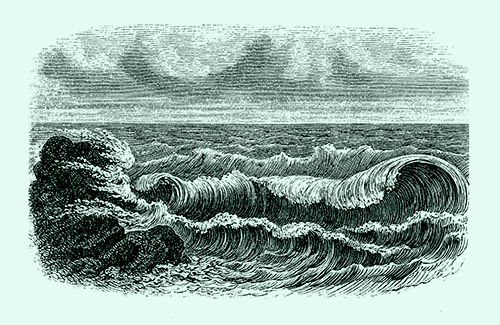
This image is one of my bestsellers at Adobe with 280 sales until now (from .38 to 26.40 USD each) and keep selling. I am the first to admit that it is nothing special, even if the composition and the content is good.

3 – There seems to be no rationale for the criteria they use to choose which images to purchase – or if there’s one I failed to see it in the last 16 years.
4 – Whoever buys the images prefers the big agencies over the small individual seller, no matter the price, the quality or the professionalism of the agency, as long as it has a name big enough. Possibly (just a wild guess of mine) for they pay out of their client’s pocket, not of their own.
And still, despite such a bleak scenario, I keep making decent money by selling images on the web. How?
In the first place I put in the freezer my ambition to make money by selling art: for my most beautiful pictures I have a couple of private websites that produce a few sales and a lot of satisfaction.
Then I discarded the smallest agencies. Why? Let me explain: I think that Dreamstime is a quite fair agency, but it takes me 2 years to make the same amount I achieve in less than a week by Adobe. Moreover, I would be competing against myself.
Actually I’m selling pretty well at Alamy (the best for me), Adobe and Istock. I obviously discarded Shutterstock, leaving there (in my still open account) only a toilet paper still life.

As for the small agencies, I deleted most of my images there but left my account open: should the situation change I might reconsider coming back again. Except for the ones I really dislike: by them I deleted everything and disappeared in a puff of smoke (a name? Wirestock).
With this tactical approach I saw my income soar… well not enormously but significantly.
And I began listening to the old saying “when you go fishing put a worm on the hook: it’s the fish that must like it, not you” and uploading to the agencies mostly nice but quite ordinary pictures, the kind ordinary people would like and buy.

I hope this helps you rather than discourage you…